

Young defenders need to do more than win tackles. Positioning, passing under pressure and decisions about when to step forward all shape their value to a team.
This is an editorial watchlist of 15 defenders who were 24 or younger on 1 January 2026. Some have since turned 25. The order is a judgement, not an official award or a statistical model. Club information was reviewed on 4 October 2026.
Quick Answer
Leny Yoro, Manchester United’s French centre-back, leads this watchlist. Dean Huijsen of Real Madrid is another player to follow. Their positions reflect the qualities discussed below, rather than a claim that one player is objectively better in every situation.
How We Ranked These Players
The ranking weighs defensive decision-making, contribution in possession, senior experience and development potential. It includes centre-backs and full-backs, some of whom also play as wing-backs. Different roles are not directly interchangeable.
Official club and competition profiles are linked below for player details. Transfer fees and market-value estimates are not used as proof of playing quality.
1. Leny Yoro (Manchester United, France)
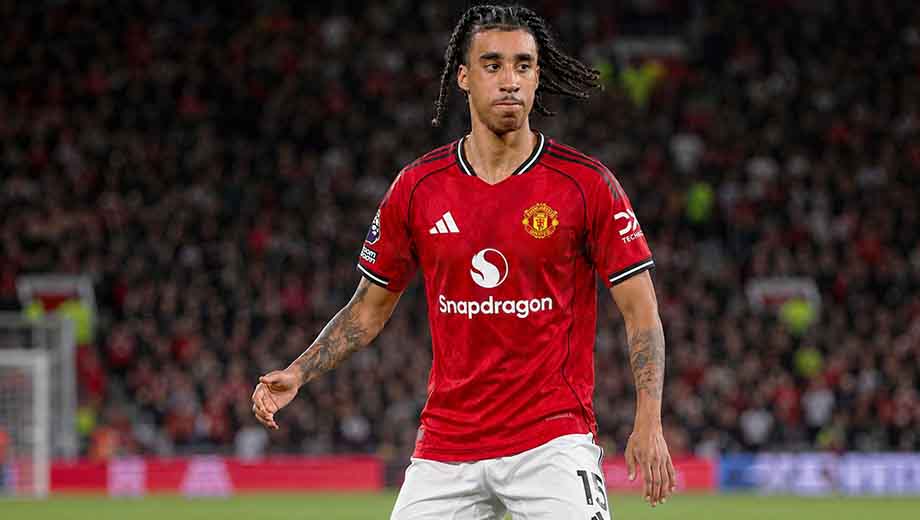
Leny Yoro joined Manchester United from Lille in 2024. Born on 13 November 2005, he is 20 at this review.
His positioning and ability to pass out of defence are the main reasons to follow him. He can step across an attacker’s path before a recovery tackle becomes necessary. When assessing his progress, watch how consistently he makes those decisions under pressure.
Why he is number 1: His combination of age, senior experience and potential in possession makes him the leading choice in this editorial list. That does not establish a universal ranking of young defenders.
2. Dean Huijsen (Real Madrid, Spain)
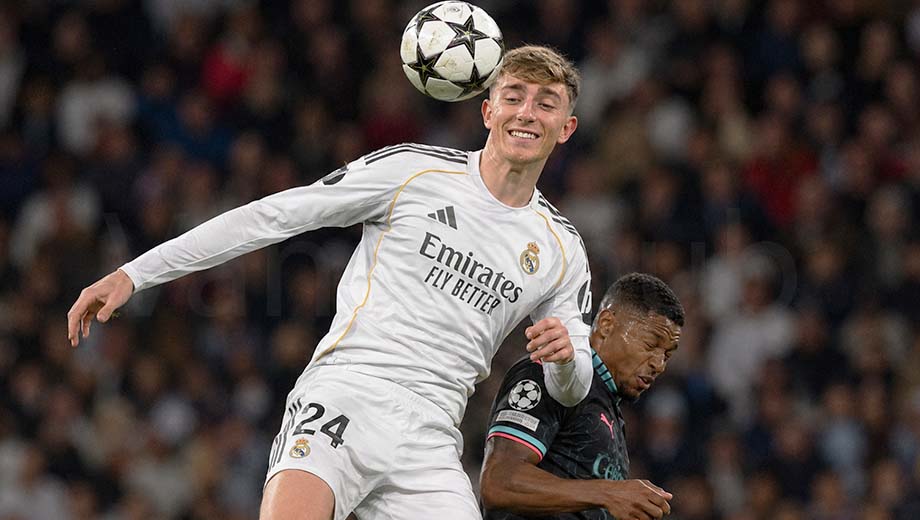
Dean Huijsen is a Spain international and Real Madrid centre-back. Born on 14 April 2005, he is 21. He played for Bournemouth in 2024–25 before joining Madrid in summer 2025.
His height helps him compete for aerial balls, while his distribution gives teammates options when building attacks. The move to Madrid brought a different tactical environment and greater expectations.
Why he is number 2: His experience in England and ability to progress the ball make him an interesting defender to assess at a demanding new level.
3. Castello Lukeba (RB Leipzig, France)
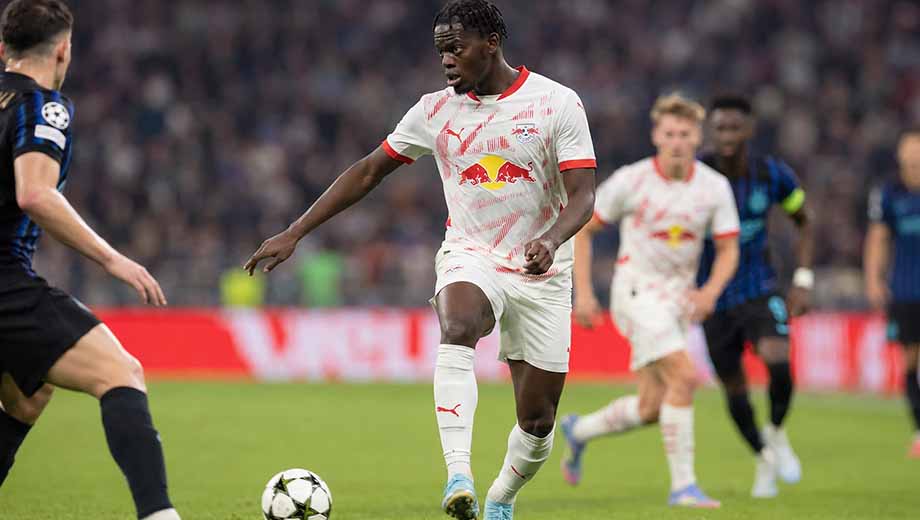
Castello Lukeba is a French centre-back at RB Leipzig. Born on 17 December 2002, he is 23.
He can move forward to challenge an attacker receiving between the lines and then recover towards his own goal. The key is judging when pressure on the ball justifies leaving the defensive line.
Why he is number 3: His mobility and experience in senior club football put him high on the watchlist. He has already made his senior France debut; he is not still waiting for a first cap.
4. Willian Pacho (PSG, Ecuador)
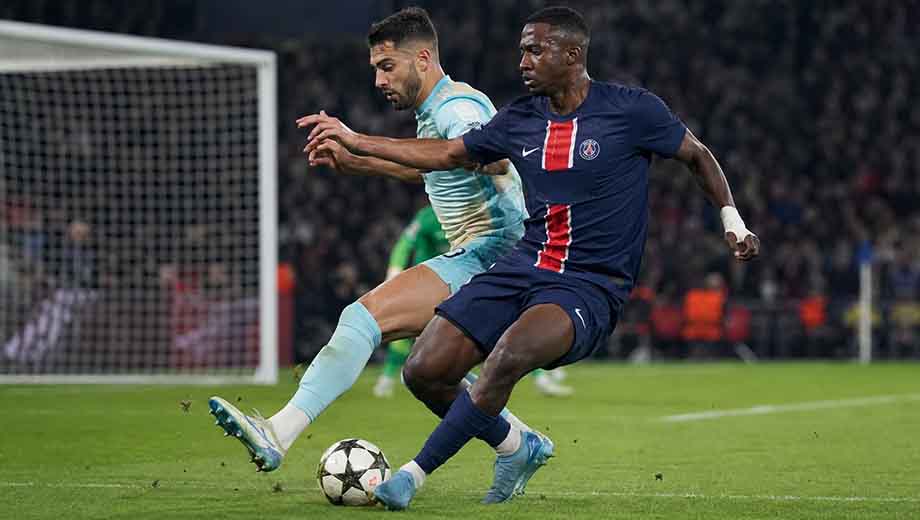
Willian Pacho joined Paris Saint-Germain from Eintracht Frankfurt in 2024. The Ecuador centre-back was born on 16 October 2001. He is 24 on the review date and turns 25 later in October.
His defending combines strength in duels with composure in possession. For a side looking to control the ball, receiving cleanly and finding a teammate after winning it are as useful as the initial challenge.
Why he is number 4: He brings senior experience and qualities suited to a team that asks defenders to help build attacks.
5. Micky van de Ven (Tottenham Hotspur, Netherlands)

Micky van de Ven is a Netherlands defender at Tottenham Hotspur. Born on 19 April 2001, he is now 25, but met this list’s January 2026 age cut-off.
His recovery speed helps him cover space behind a high defensive line. Pace is only part of the role: his starting position and coordination with teammates determine how often he needs to chase back.
Why he is number 5: Recovery defending is a clear strength. Sustained availability and performances across a season matter alongside standout sprints; this list does not treat a speed record as a complete measure of defending.
6. Levi Colwill (Chelsea, England)
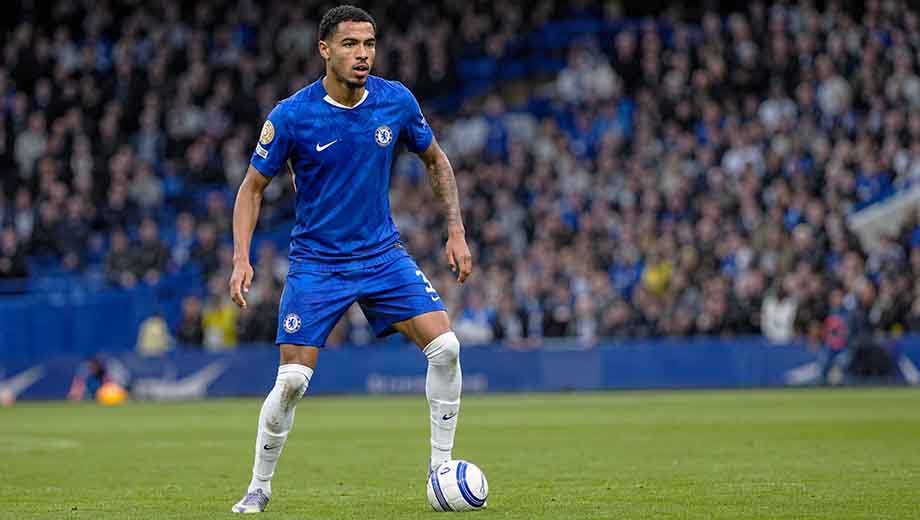
Levi Colwill is an England international and Chelsea centre-back, born on 26 February 2003. He is 23.
His left-footed passing can help a team progress the ball from the left side of defence. Watch his body position before receiving and how quickly he identifies a forward passing option.
Why he is number 6: His distribution and positional game are useful qualities. Selection and playing time change with fitness, form and the coach’s requirements, so his place should not be described as guaranteed.
7. Giorgio Scalvini (Atalanta, Italy)
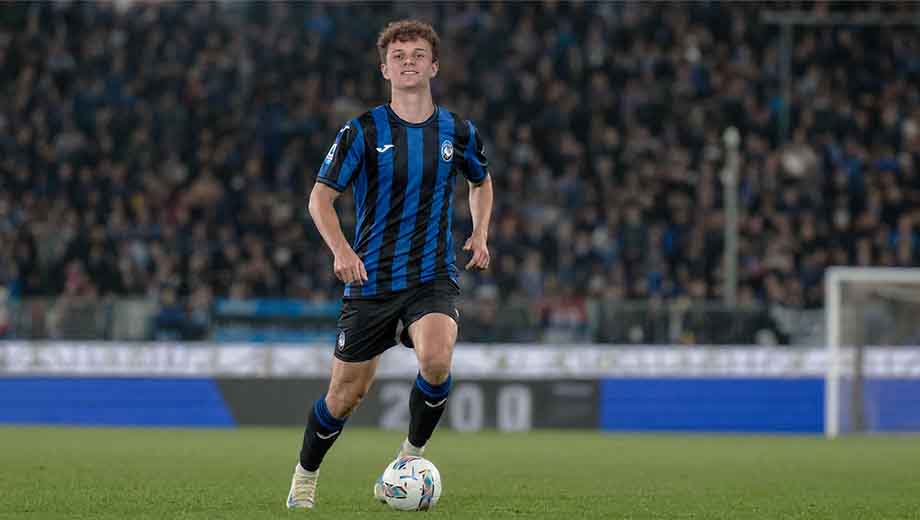
Giorgio Scalvini is an Italian Atalanta defender, born on 11 December 2003. He is 22 and has also played in midfield.
His ability to step into midfield can connect defence with the next phase of an attack. That movement requires awareness of who is covering the space he leaves behind.
Why he is number 7: His versatility adds value. The most useful comparison is how well he performs the role his team asks of him, rather than treating versatility as a weakness.
8. Malo Gusto (Chelsea, France)
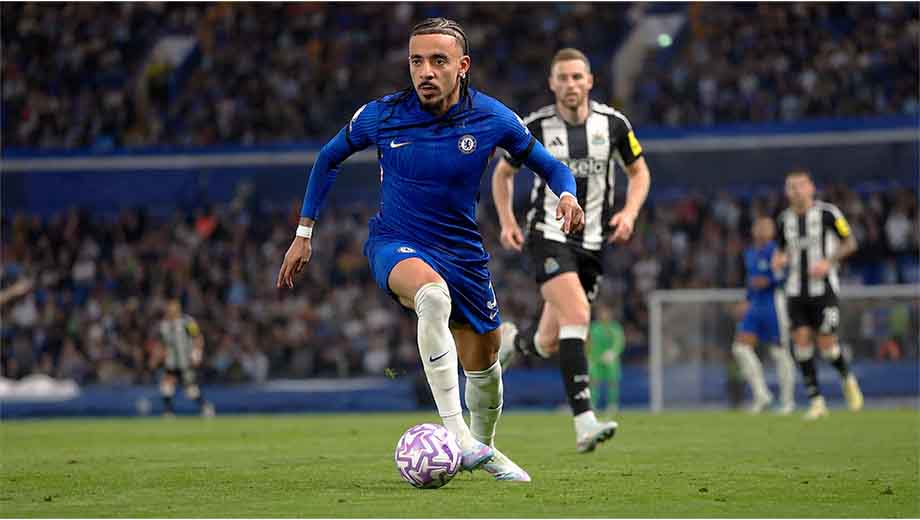
Malo Gusto is a French right-back at Chelsea. Born on 19 May 2003, he is 23 and has represented France at senior level.
He can support a winger with overlapping runs or combine in tighter areas. His movement gives the player in possession another option, while his recovery work remains important when an attack breaks down.
Why he is number 8: His attacking contribution makes him worth watching. Full-backs and centre-backs have different responsibilities; eighth place does not mean his position is inherently less important.
9. Destiny Udogie (Tottenham Hotspur, Italy)
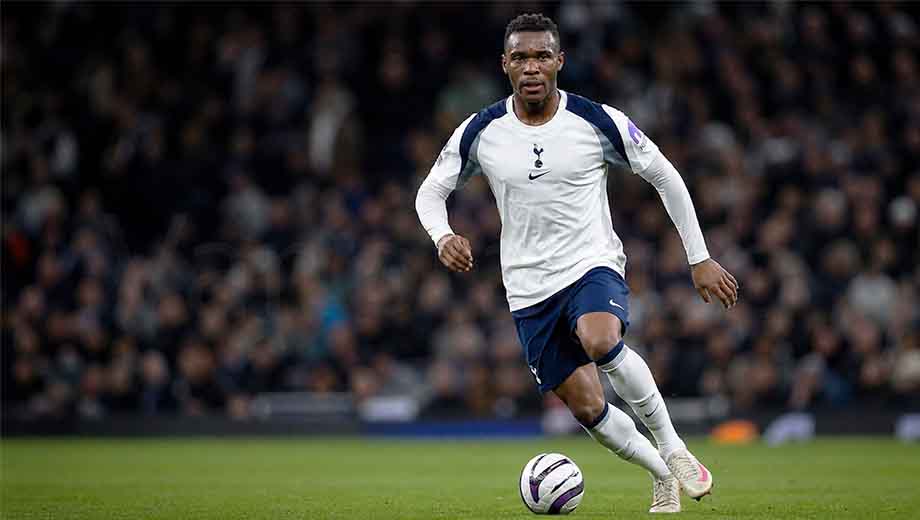
Destiny Udogie is Tottenham’s Italian left-back. Born on 28 November 2002, he is 23. He joined from Udinese and has already earned senior Italy caps.
His forward movement can help overload the left side or add support inside the pitch. The balance between joining an attack and protecting the space behind is central to that role.
Why he is number 9: His mobility and comfort in possession offer a strong basis for further development. The comparison with Gusto is an editorial judgement between two different full-back roles.
10. Ousmane Diomande (Nottingham Forest, Ivory Coast)

Nottingham Forest announced Ousmane Diomande’s signing from Sporting CP on 11 August 2026. The Ivory Coast centre-back was born on 4 December 2003 and is 22.
His aerial presence and ability to pass out of defence made him a player to follow at Sporting. His earlier Sporting image above refers to that stage of his career.
Why he is number 10: His move to England provides a new test of his positioning and decision-making. A transfer alone does not establish how well he will adapt.
11. Vanderson (Monaco, Brazil)
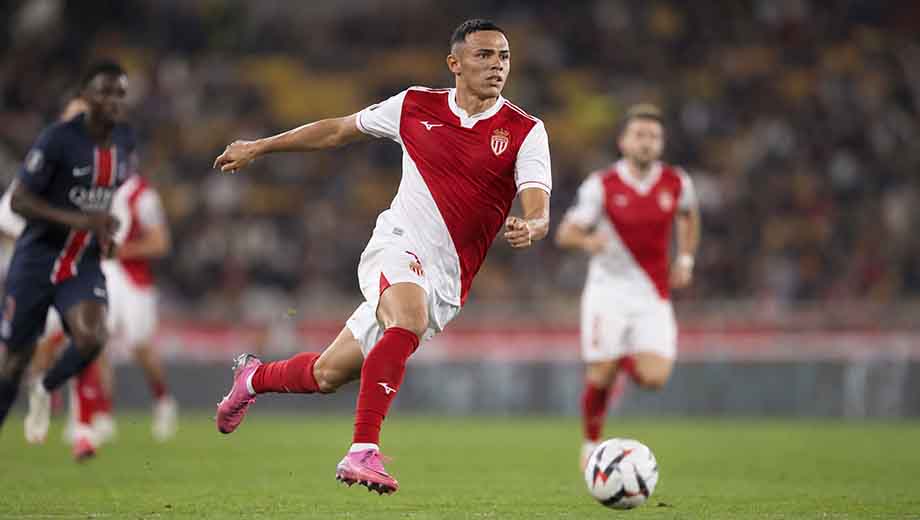
Vanderson is a Brazilian right-back at Monaco. Born on 21 June 2001, he is now 25 and met the January 2026 age cut-off.
His forward runs can give Monaco width and crossing opportunities. When he advances, the team must also manage the space behind him, making his recovery position worth watching.
Why he is number 11: He offers an established attacking contribution from full-back. Consistency in both directions is a more useful test than transfer speculation.
12. Quentin Merlin (Rennes, France)
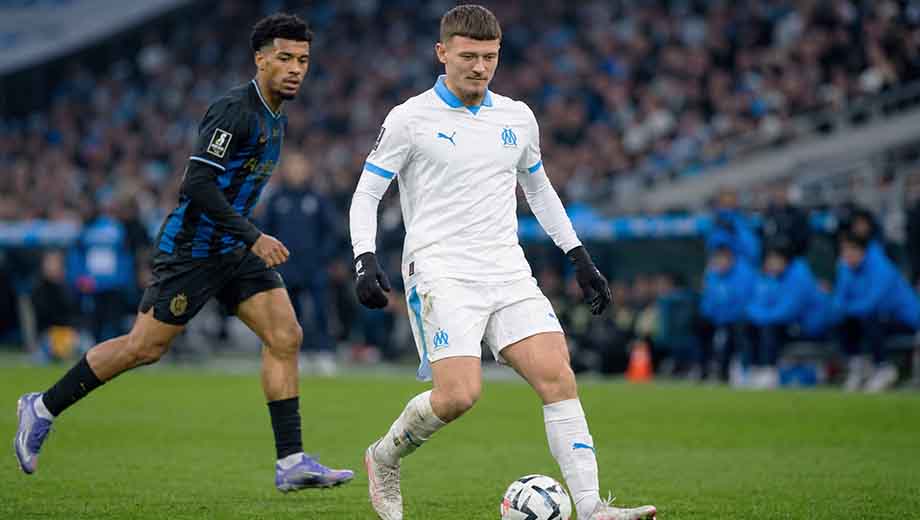
Quentin Merlin is a French left-back at Rennes, born on 16 May 2002. He is 24. Rennes announced his arrival from Marseille in July 2025; Marseille is a former club.
He can combine with players ahead of him and keep possession moving on the left. How he chooses moments to advance, and how he deals with attacks down his side, remain useful areas to assess.
Why he is number 12: His technical contribution and Ligue 1 experience earn him a place on this watchlist.
13. Konstantinos Koulierakis (Roma, Greece)
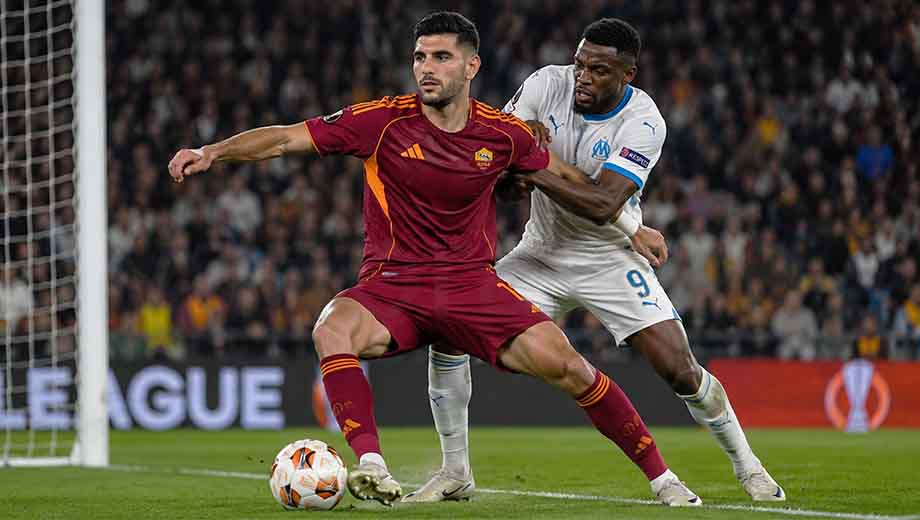
Greek centre-back Konstantinos Koulierakis joined Roma on 1 August 2026 after playing for PAOK and Wolfsburg. Born in 2003, he is 22 at this review.
He offers aerial presence and left-sided distribution. Moving between leagues also tests a defender’s ability to adjust to different pressing patterns and defensive partnerships.
Why he is number 13: His development across Greece, Germany and Italy makes his next season worth following. Earlier PAOK imagery should not be read as his current club affiliation.
14. Maxime Estève (RB Leipzig, France)
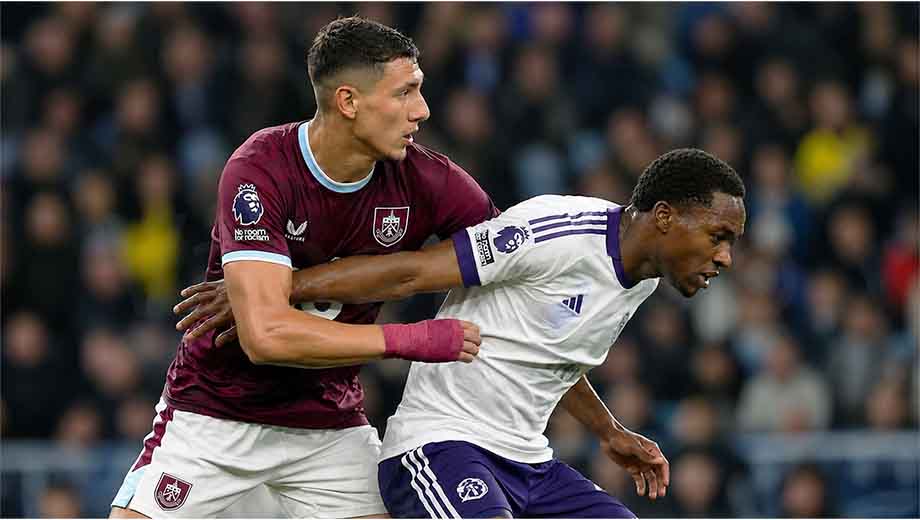
French centre-back Maxime Estève plays for RB Leipzig in 2026–27 after his spell at Burnley. He was born in May 2002 and is 24.
His route has included Premier League and Championship football before the move to Germany. Passing from the back, defending crosses and handling physical duels are useful parts of his game to assess.
Why he is number 14: Leipzig offers a new tactical test. His progress will depend on consistent decisions and performances rather than the transfer fee.
15. Josh Acheampong (Chelsea, England)
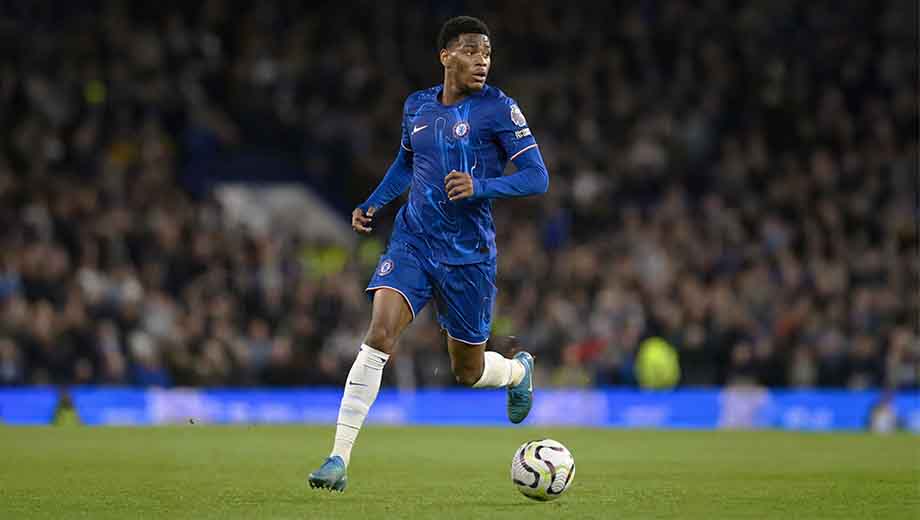
Josh Acheampong is the youngest player on this list. Born on 5 May 2006, the English Chelsea academy graduate is 20. He can play at centre-back or right-back.
Chelsea announced his contract extension to 2029 in December 2024. It is a signed professional deal, not a future contract conditional on turning professional.
Why he is number 15: His senior experience is still developing. Regular opportunities will provide a clearer view of his positioning, use of possession and ability to handle different opponents.
Honorable Mentions
Rayan Aït-Nouri, the Algeria left-back, plays for Manchester City after leaving Wolves in 2025. He offers another attacking full-back comparison.
Pedro Porro plays for Tottenham and Spain, not Portugal. Born in September 1999, he falls outside this list’s age cut-off.
For a younger centre-back profile, see our Pau Cubarsí biography.
FAQ
Who is the top upcoming defender to watch in 2026?
Leny Yoro leads this editorial watchlist. He plays for Manchester United and was born on 13 November 2005. His ranking is an opinion based on the qualities discussed above.
Why is Dean Huijsen ranked so highly?
Huijsen moved from Bournemouth to Real Madrid in summer 2025. His distribution, aerial presence and experience in two major leagues make him worth following. Bournemouth is his former club.
How did you decide the order of this list?
The order reflects defensive decision-making, contribution in possession, senior experience and development potential. The age cut-off is 24 or younger on 1 January 2026. Club details were reviewed on 4 October 2026.
Are wing-backs or defensive midfielders included?
The list focuses on centre-backs and full-backs. Some also play as wing-backs or in midfield, depending on the formation. Their main defensive roles are the basis for inclusion.
Why is Micky van de Ven fifth?
His recovery pace is a major strength, but a defender’s contribution also depends on positioning, availability and sustained performance. Fifth place is an editorial choice, not a medical prediction or an official ranking.
Conclusion
These defenders are at different stages of their careers. Watch their decisions without the ball as closely as their tackles and passes: starting position, communication and judgement often explain why a defensive action succeeds. Reassessing those qualities over a full season is more useful than judging a player on one highlight.
For a broader view beyond defensive roles, compare our U21 player watchlist. The player evaluation scorecard offers a structured way to record technical, tactical and physical observations, without treating an editorial ranking as an objective scouting score.

3 comments on “Top 15 Defenders to Watch in 2026: Ranked and Explained”